
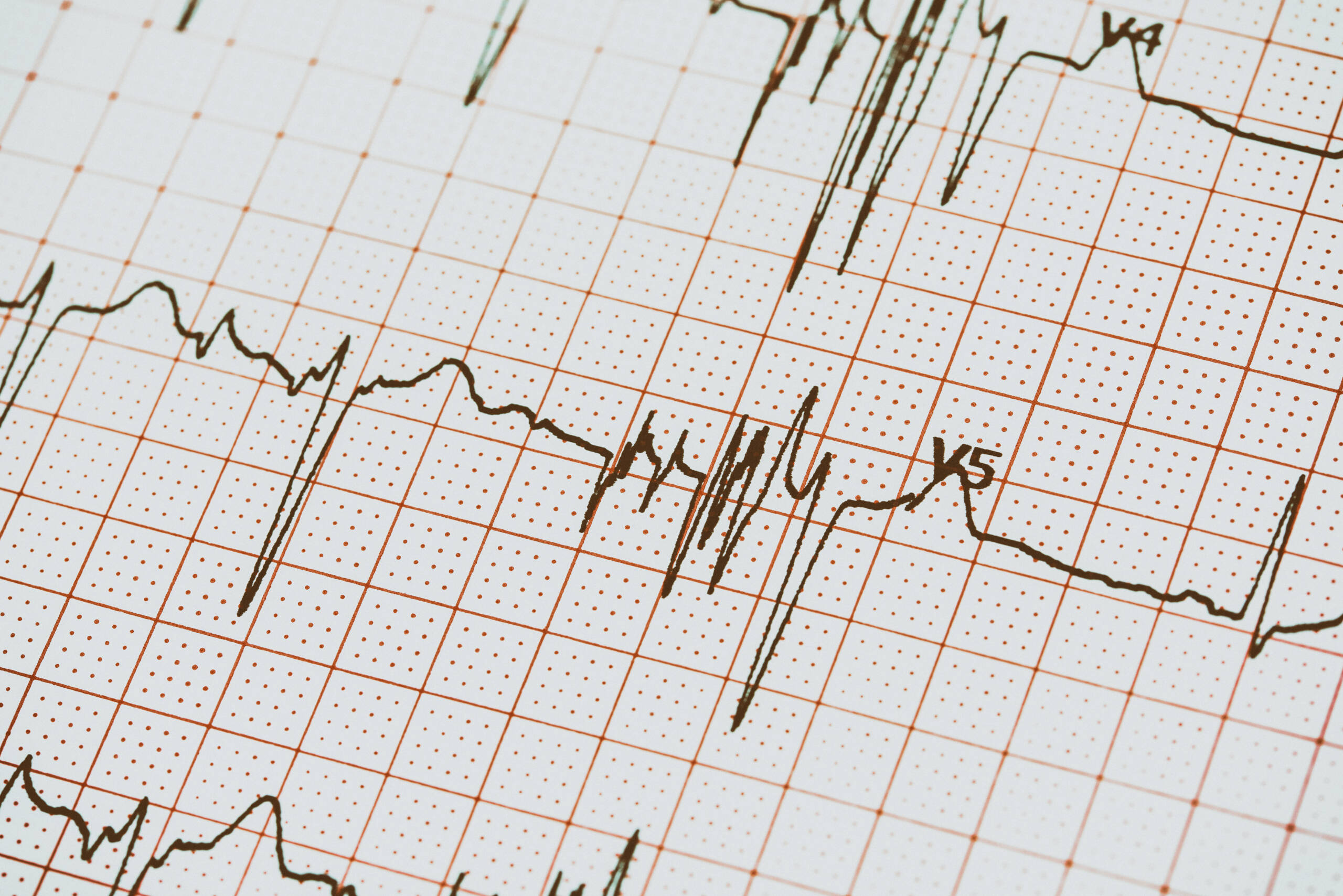
An electrocardiogram (ECG) is a non-invasive and painless test that measures the electrical activity of the heart. The test is commonly used to diagnose heart conditions such as arrhythmias, heart attacks and heart disease. The ECG provides important information about heart rhythm, rate, conduction and enlargement.
How is an ECG performed?
During an ECG, electrodes are placed on the skin of the chest, arms and legs. The electrodes are connected to a machine that records the electrical signals of the heart. The test takes about 10 minutes and no preparation is required.
 English (UK)
  Ελληνικά